
Tell Your Story Through Song

Give your characters a voice, your turning point a melody, and your story a chorus worth remembering. Start with a memory, a life experience, or an imagined adventure.

Generation mode
0/3000

Songs

Play a sample before you generate. Your own track replaces this list.

Turn a story into a song with a clear emotional arc

A song has room for a memorable scene, a change, and a feeling that returns. Use these fictional examples to find the part of your narrative worth singing about.

Give your story a musical center

A story to song generator works from the description you provide. Instead of fitting every event into one prompt, choose the moment that explains why the story matters. Tell it in ordinary sentences, then add a musical direction: intimate acoustic folk, bright pop, or a quiet piano ballad. For a fictional lighthouse keeper who finally welcomes help, the center might be learning to trust someone after years alone. The storm is the setting; accepting a helping hand is the change. Ask for a chorus about that change, with verses that move from isolation toward connection. This gives the song a reason to develop beyond a list of events.

Create my story song

An open storybook with musical notes rising into a miniature landscape

Turn memories into music through small details

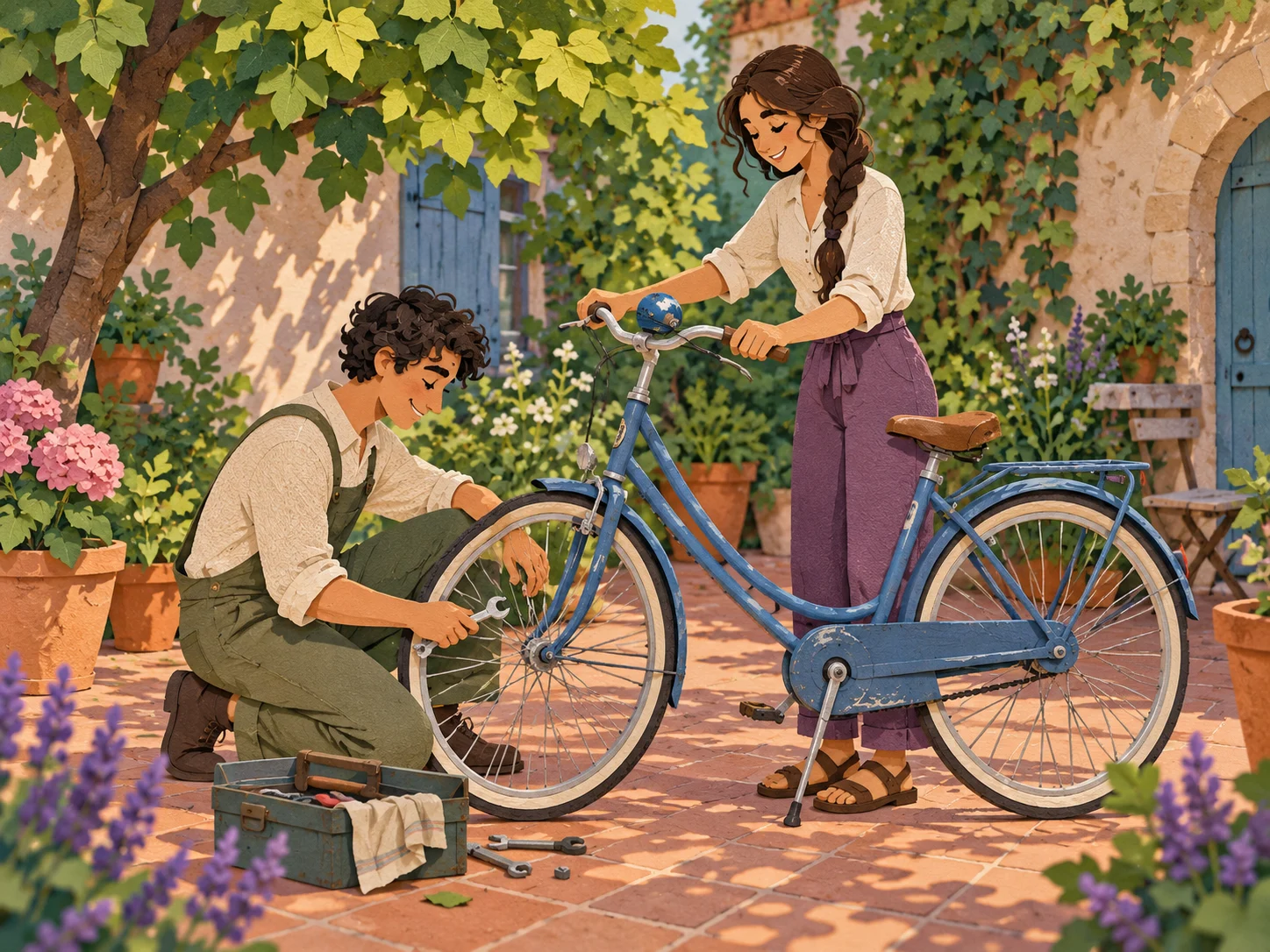
A remembered experience often becomes easier to describe through one object or repeated ritual. Imagine two fictional siblings repairing an old bicycle in a courtyard each summer. A chipped blue bell, a crooked wheel, and their laughter after a failed repair say more than calling the memory happy. Build your description around one afternoon and the feeling it brings back today. A gentle, unhurried arrangement may suit a reflective memory; a lively rhythm may suit the same afternoon told as a comedy. Choose the perspective before the style: are you reliving the scene, or looking back from years later? That choice changes what the singer has to say.

Create my story song
Two fictional siblings repairing a blue bicycle in a summer courtyard

Make an experience into a story song

For a journey, achievement, or fresh start, look for a before and after. In this fictional example, a traveler misses the last ferry, spends an evening helping at a harbor cafe, and discovers that an unwanted delay can become a welcome pause. The song can begin with rushing footsteps and end with the decision to stay for one more cup. Describe those two states and the encounter between them. You can request a growing arrangement as the narrator relaxes, without specifying exact musical timing. Keep the account centered on the traveler rather than adding every person in the cafe. One viewpoint makes the emotional movement easier to follow.

Create my story song
A fictional traveler pausing at a harbor cafe after the ferry has left

Write a song from an imagined adventure

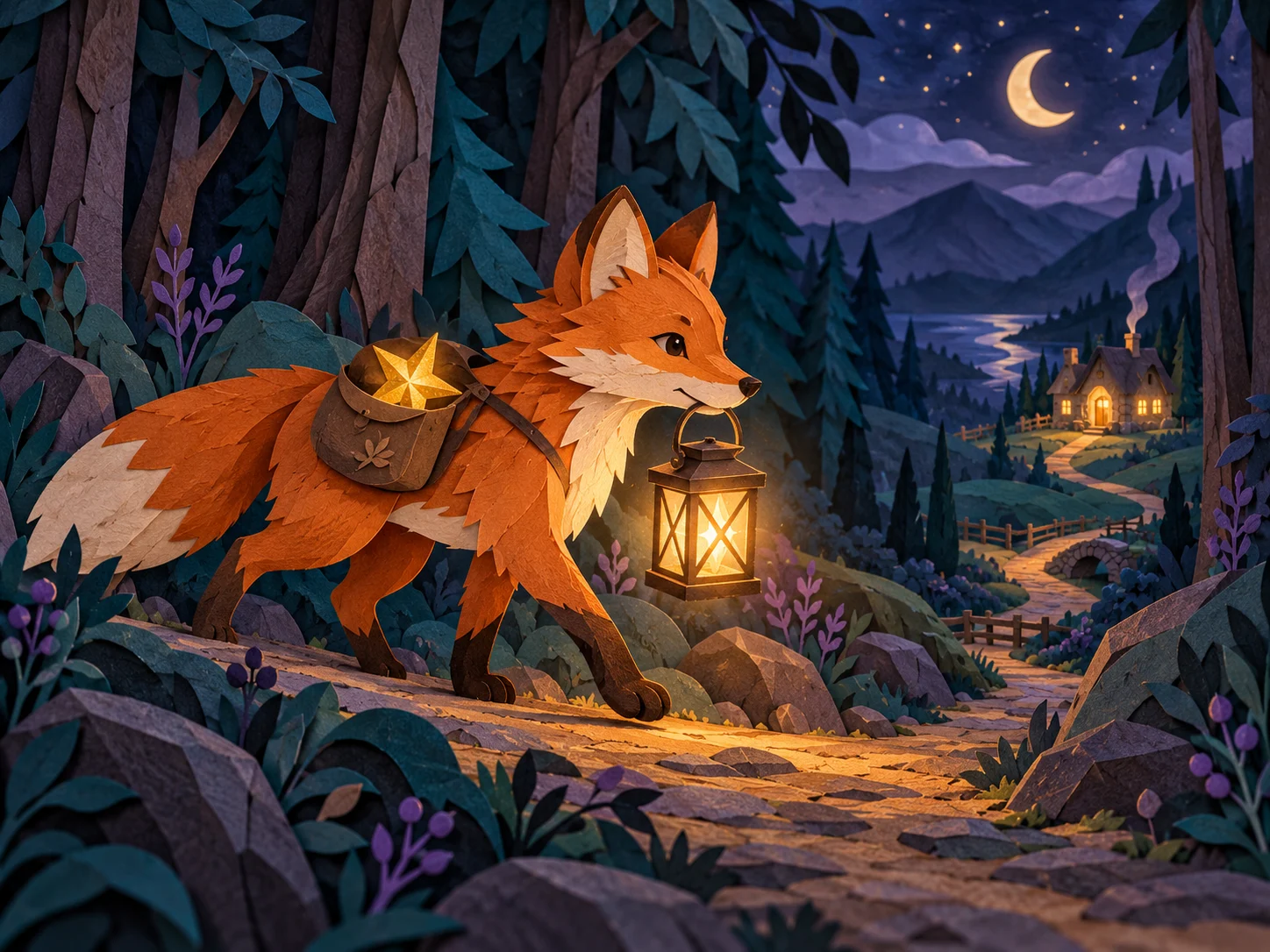
Fiction gives you a different starting point: a character wants something, meets an obstacle, and makes a choice. Picture a small paper fox carrying a lantern across a folded forest to return a lost star. The fox is afraid of the dark but keeps walking because someone is waiting at home. A playful, gentle song could return to the lantern as its recurring image. Describe the destination and the choice, then request simple language if the story is meant for younger listeners. You do not need to provide a finished verse. Focus on what the character does and why, so the song has an action to carry its emotion.

Create my story song
A paper fox carrying a lantern and a star through a folded forest

How to use Story to Song

Bring a compact story rather than a polished lyric. The steps below use the Description mode already selected in the music workspace.

  1. Choose the scene and turning point

    Write who the story follows, where the scene happens, and what changes by the end. Keep the details that cause that change. If your source is a long chapter or journal entry, summarize one episode before pasting it into Description. Use the field counter to check that your brief fits.

  2. Describe how the story should sound

    Add a mood, a musical style, and the viewpoint of the singer to the same description. For example: tell the harbor story in first person, with warm acoustic guitar and a hopeful chorus. Leave Instrumental off when you want a sung story. Turn it on when the scene needs music without sung words.

  3. Generate, listen, and refine the brief

    Sign in when prompted and check the credit cost shown in the workspace before generating. When a result is ready, listen for the central event and the feeling you wanted to carry. If the story wanders, shorten the setup or make the turning point clearer before requesting another generation. Each new generation is a separate request.

Four choices that shape a narrative song

These writing decisions help you give the generator a focused brief. They are directions to include in your text, not extra controls you need to find.

Who is telling the story?

First person puts the listener inside the experience: I waited at the pier. Third person creates distance: a traveler waited at the pier. Choose one narrator and keep pronouns consistent. If another character matters, explain the relationship rather than introducing several names at once.

What belongs in the chorus?

The chorus can hold the feeling that survives the events, such as finding a home or learning to let go. Give that idea a short phrase in your brief. Keep the sequence of events for the verses so the refrain has room to return with a clear purpose.

Which detail earns its place?

Choose details that reveal a relationship or move the story forward. The blue bicycle bell can stand for years spent together; the exact address of the courtyard adds little. Replace identifying information with fictional names and general places while preserving the emotional connection you want the song to express.

What should the ending leave behind?

Decide whether the final feeling is relief, longing, gratitude, or an unanswered question. You can ask for a hopeful ending without rewriting a sad beginning. Contrast gives the narrative somewhere to go, while a deliberate unresolved ending can suit a memory that still feels unfinished.

Story to Song questions

Choose the right input before you start, and know what to review when you listen.

No. Description accepts a story brief and musical direction in ordinary language. If you already have verses and a chorus that you want to supply as lyrics, select Lyrics in the same workspace instead. Use that mode for written song lines rather than pasting an entire prose story into the lyrics field.

Start with one episode and a short summary. A timeline covering many years can leave little room for the moment you care about most. If several memories belong together, explain the thread connecting them, such as a shared ritual, and choose one scene to represent it. Keep your description within the limit displayed by the field.

Make a song from the story you want to tell

Pick one scene, name the change, and give it a sound. Your first Story to Song brief can be a few thoughtful sentences about an imagined adventure or a memory you have rewritten without personal details.